Electric Bicycle Punjab
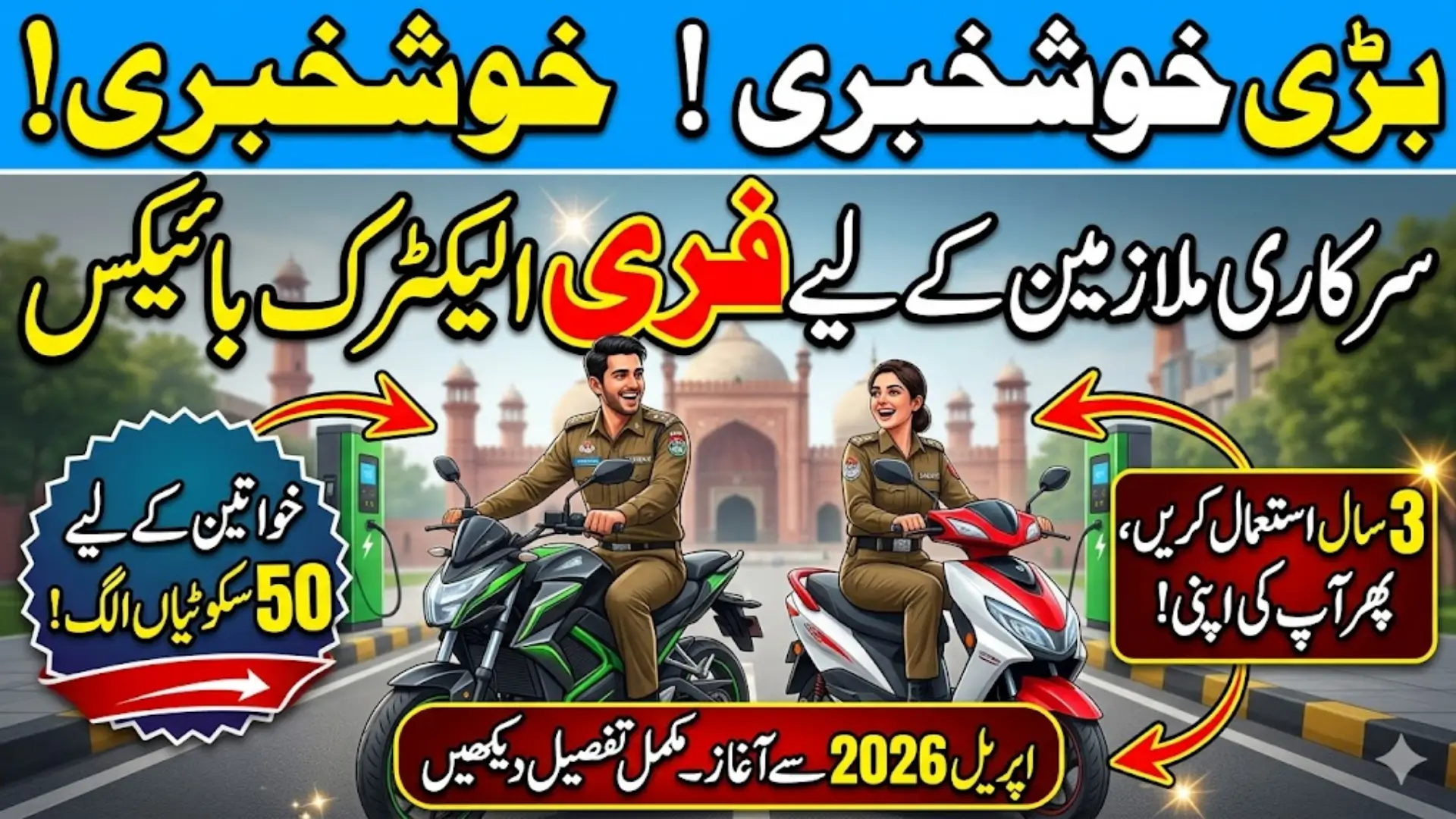
Electric Bicycle Punjab Punjab government has moved towards a practical and forward-looking decision by introducing electric bikes for Excise Department employees in April 2026. This initiative is not just a routine policy step; it reflects a clear shift in how government departments are being modernized to improve efficiency and service delivery. In recent years, many departments have struggled with outdated systems and limited resources, especially when it comes to mobility for field staff. This scheme directly addresses that gap.
From a ground-level perspective, excise inspectors are required to travel frequently for inspections, enforcement, and recovery operations. Without proper transport, their performance can be affected. By introducing electric bikes, the government is aiming to remove these obstacles and provide a reliable, cost-effective, and sustainable transport solution. This move also aligns with the broader trend of adopting eco-friendly technologies in public sector operations.
- Focus on improving field performance and mobility
- Adoption of electric vehicles for government use
- Reduction in operational delays due to transport issues
- Support for modern and efficient governance practices
Why This Step Matters for Excise Department Performance
The Excise Department in Punjab plays a crucial role in revenue collection, particularly when it comes to taxes related to vehicles, property, and other sectors. The government has set a recovery target of Rs. 73 billion, which is a significant figure and requires consistent field efforts. Achieving this target is not possible without strong mobility and active presence in the field.
In real situations, inspectors often face challenges such as lack of transport, high fuel costs, and delays in reaching assigned locations. These issues directly impact their ability to perform efficiently. Electric bikes can solve many of these problems by offering quick, low-cost transportation that allows inspectors to cover more areas in less time. This means better enforcement, improved compliance, and higher revenue collection.
- Helps achieve Rs. 73 billion recovery target
- Enables inspectors to visit more locations daily
- Reduces delays in enforcement and inspections
- Improves overall departmental productivity
Distribution Plan and Phase-Wise Rollout Strategy
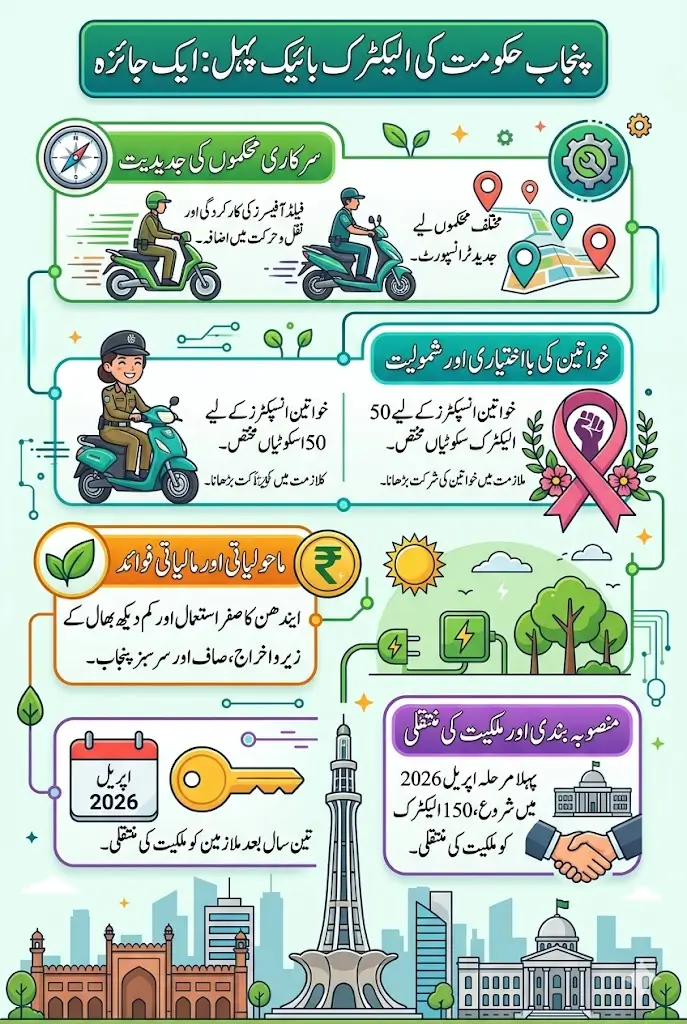
The government has designed this initiative in a phased manner to ensure smooth implementation and effective monitoring. In the first phase, 150 electric bikes will be distributed among excise inspectors across Punjab. This initial rollout is expected to begin in April 2026, with preparations already in their final stages.
This phased approach allows the government to evaluate the performance and impact of the scheme before expanding it further. It also ensures that resources are utilized efficiently and any challenges can be addressed early. If the first phase proves successful, the number of bikes may increase in the future, and more employees could benefit from the program.

- First phase includes 150 electric bikes
- Distribution expected to start in April 2026
- Gradual expansion based on results and feedback
- Careful implementation to avoid operational issues
Special Allocation for Female Inspectors
One of the most notable aspects of this initiative is the inclusion of female inspectors. The government has allocated 50 electric scooties specifically for women working in the Excise Department. This decision highlights a growing awareness of the need to support female staff in field roles and ensure equal opportunities.
In many cases, female officers face mobility challenges due to lack of suitable or safe transport options. By providing scooties, the government is making it easier for them to perform their duties independently. This not only improves their efficiency but also boosts their confidence and participation in field operations. It is a positive step towards gender inclusivity in government services.
- 50 electric scooties reserved for female inspectors
- Improved safety and convenience for women staff
- Encouragement for active field participation
- Promotion of gender equality in public sector jobs
Budget Allocation and Procurement Updates
The Punjab government has allocated more than Rs. 50 million for the procurement of electric bikes and scooties in the first phase. This investment shows that the authorities are serious about improving departmental performance through practical measures. Officials have confirmed that the procurement process is already in its final stage, which means distribution will begin soon.
This budget is not just an expense but a long-term investment. Electric bikes are known for their low running costs and minimal maintenance requirements. Over time, the government is expected to save money on fuel and repairs, making this initiative financially sustainable. It also reduces dependency on traditional fuel-based vehicles, which are becoming increasingly expensive to operate.
| Category | Details |
|---|---|
| Total Budget | Rs. 50+ Million |
| Electric Bikes | 150 Units |
| Electric Scooties | 50 Units |
| Procurement Status | Final Stage |
| Distribution Timeline | April 2026 |
Performance-Based Eligibility Criteria Explained
Unlike many traditional schemes, this initiative is based on performance. This means that electric bikes will be given to those employees who show strong results in their work. This approach introduces a sense of accountability and encourages employees to perform better in order to qualify for the benefit.
From a practical point of view, performance-based incentives can bring a positive change in work culture. Employees become more focused, disciplined, and goal-oriented when they know that their efforts will be recognized and rewarded. This not only benefits individuals but also improves the overall performance of the department.
- Bikes allocated based on employee performance
- Encourages a results-driven work environment
- Motivates staff to meet and exceed targets
- Improves accountability within the department
Ownership Transfer Policy After Three Years
A key highlight of this scheme is the ownership transfer policy. According to the plan, the electric bikes and scooties will be transferred to the employees after three years of use. This means that employees will eventually become the owners of the vehicles, making it a long-term benefit.
This policy adds extra value to the initiative, as it not only supports employees during their service but also provides them with a personal asset. It can also improve employee satisfaction and retention, as workers feel that their efforts are being rewarded in a meaningful way.
- Ownership transferred after 3 years
- Employees gain a personal asset
- Encourages long-term commitment
- Increases job satisfaction and motivation
Environmental and Cost Benefits of Electric Bikes
Electric bikes offer several environmental and financial advantages. With rising fuel prices in Pakistan, switching to electric vehicles is becoming increasingly important. These bikes run on electricity, which means there is no need for petrol or diesel, resulting in significant cost savings.
In addition to financial benefits, electric bikes are also environmentally friendly. They produce zero emissions, which helps reduce air pollution and contributes to a cleaner environment. This initiative shows that the government is not only focusing on performance but also on sustainability and environmental responsibility.
- Zero fuel consumption reduces expenses
- Lower maintenance compared to petrol bikes
- Environment-friendly with no emissions
- Supports clean and green initiatives
Expected Impact on Public Service Delivery
With improved mobility, the Excise Department is expected to deliver better services to the public. Inspectors will be able to respond more quickly to issues, carry out inspections more efficiently, and ensure better enforcement of regulations. This directly benefits citizens by reducing delays and improving service quality.
From what has been seen in similar initiatives, better tools and resources often lead to better performance. When employees are equipped with reliable transport, they can focus more on their duties rather than worrying about logistics. This leads to a more active, responsive, and effective government system.
- Faster response to public complaints
- Improved enforcement and inspections
- Better service delivery for citizens
- Increased trust in government institutions
Future Expansion Possibilities of the Scheme
Looking ahead, this initiative has the potential to expand beyond the Excise Department. If the first phase proves successful, other government departments may also adopt similar programs. This could lead to a wider shift towards electric mobility in the public sector.


There is also a possibility that the number of vehicles will increase in future phases, allowing more employees to benefit from the scheme. This initiative could serve as a model for other provinces in Pakistan, showing how smart investments can improve both performance and sustainability.
- Expansion to other departments likely
- Increase in number of electric vehicles
- Promotion of electric mobility across Punjab
- Potential model for other provinces to follow
In simple terms, this initiative reflects a practical approach by the Punjab government to improve performance, reduce costs, and move towards a more sustainable future. It is a step that not only benefits employees but also strengthens the overall system of governance in the province.