Punjab New Vehicle Subsidy
Punjab New Vehicle Subsidy Punjab is entering a new phase where transport policy is being directly linked with public health and environmental protection. Over the past few years, I have personally observed how smog levels have increased, especially in big cities like Lahore and surrounding regions. Roads are filled with old vehicles that release thick smoke, and this has become a daily struggle for ordinary citizens. The government has now decided to address this issue through a structured plan that includes retiring outdated vehicles and offering subsidies on new ones.
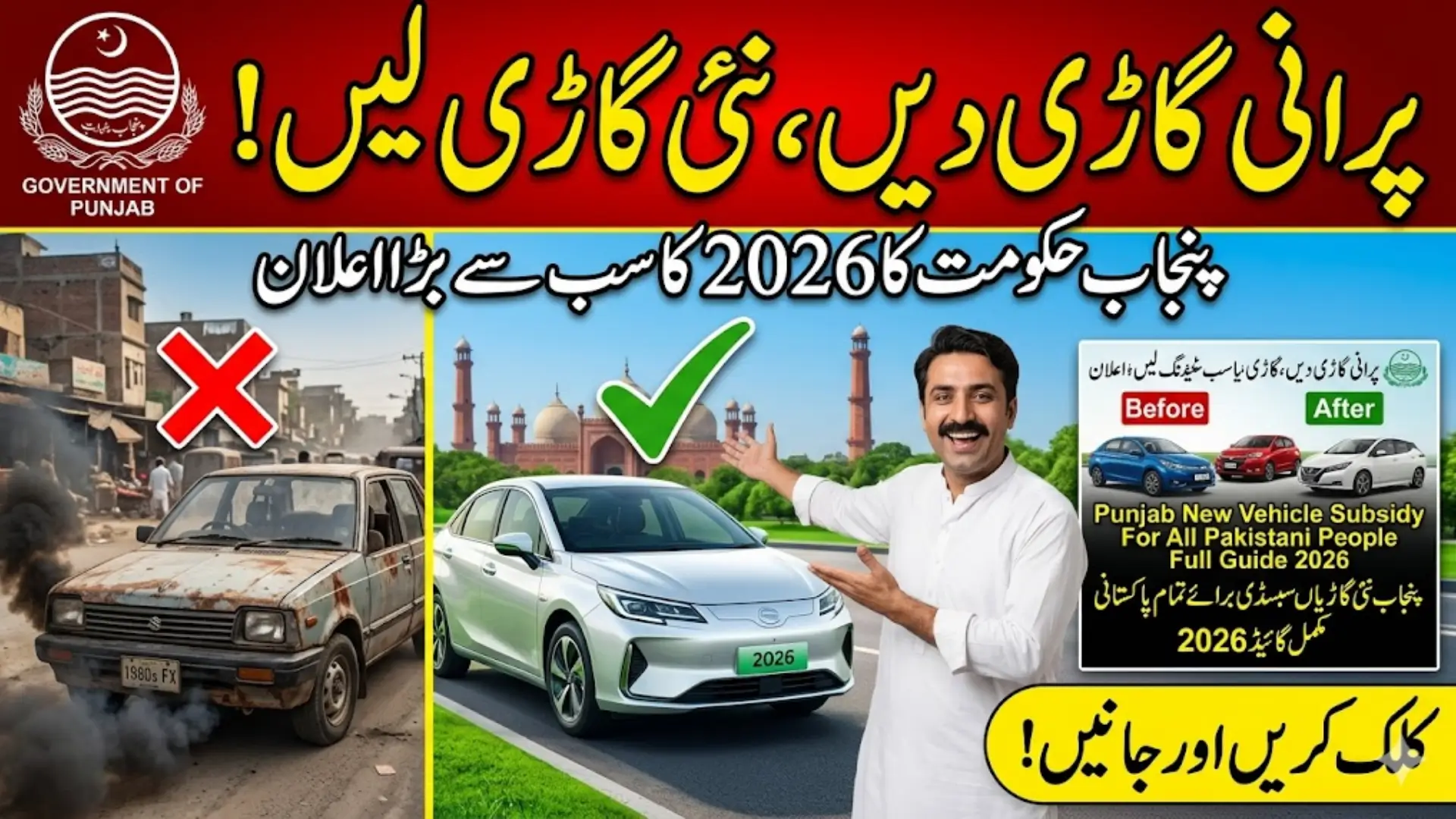
This new vehicle subsidy scheme for 2026 is not just another announcement. It is part of a broader effort to modernize the transport system in Punjab and reduce pollution levels. The program focuses on giving financial relief to people who are still using old vehicles because they cannot afford new ones. By connecting the removal of old vehicles with financial incentives, the government is trying to create a win-win situation for both the public and the environment.
From what has been shared so far, this scheme is expected to bring real change. If implemented properly, it can reduce pollution, improve fuel efficiency, and make daily travel smoother for millions of Pakistanis. This is why this initiative is being seen as one of the most important transport reforms in recent years.
Why Punjab Government is Replacing Old Vehicles
The main reason behind this decision is the alarming increase in air pollution. In many areas of Punjab, especially urban centers, the air quality has reached dangerous levels. Old vehicles, particularly those without proper emission control systems, are a major contributor to this problem. These vehicles not only release harmful gases but also consume more fuel, which adds to the economic burden on citizens.
During my observation of traffic conditions, it is clear that a large number of vehicles on the road are outdated. Many of them have engines that are no longer efficient, and their maintenance is often ignored due to financial constraints. This creates a cycle where pollution keeps increasing, and people continue to suffer.
Key reasons for phasing out old vehicles include:

- High emission levels from outdated engines
- Increasing cases of respiratory diseases among citizens
- Poor fuel efficiency leading to higher expenses
- Lack of modern environmental standards in older vehicles
- Growing pressure to meet international environmental goals
What is the Vehicle Buyback Program
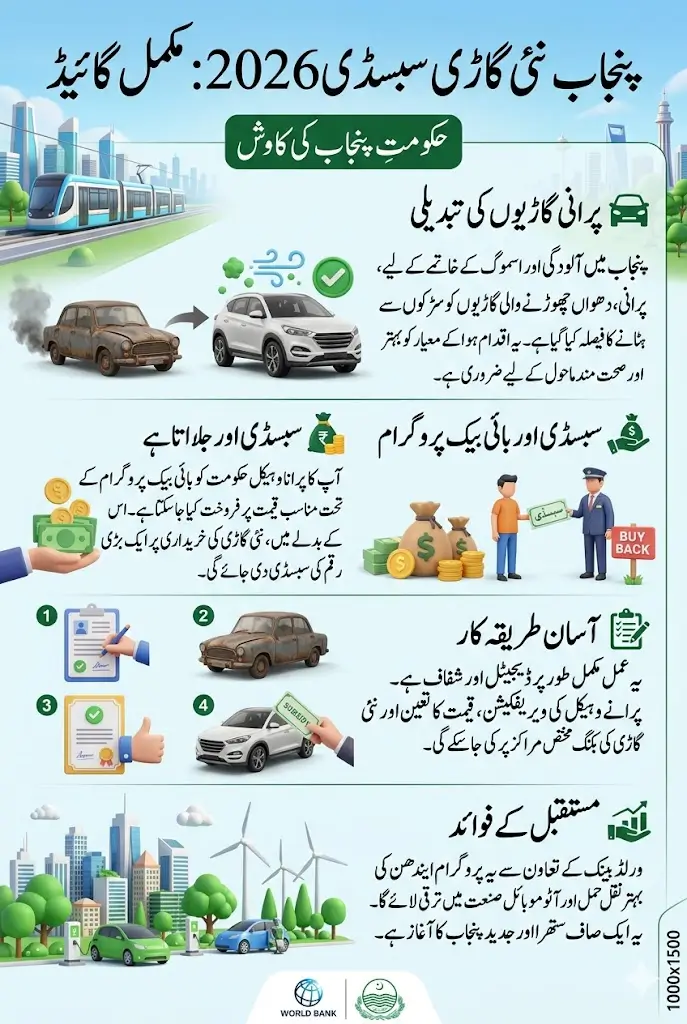
The vehicle buyback program is a central part of this initiative. Under this system, the government will take old vehicles from citizens and provide them with compensation. These vehicles will then be permanently removed from the roads, ensuring that they do not continue to pollute the environment.
This approach is practical for Pakistan because it encourages voluntary participation instead of forcing strict bans. Many people are emotionally and financially attached to their vehicles, so offering them a financial benefit makes the transition easier. The idea is simple but effective: give people a reason to move towards better options.
The process will likely include:
- Identification and verification of old vehicles
- Evaluation based on age and condition
- Compensation or subsidy allocation
- Proper disposal or recycling of vehicles
- Linking buyback with new vehicle purchase benefits
How the New Vehicle Subsidy Will Work
The subsidy mechanism is designed to support people who want to upgrade their vehicles but cannot afford the full cost. Once a person submits their old vehicle under the buyback program, they will receive financial assistance that can be used when purchasing a new vehicle.
This model ensures that the subsidy is not misused. It directly connects financial support with environmental improvement. From a practical point of view, this can motivate a large number of people to participate, especially those who were previously hesitant due to cost concerns.
Expected steps in the subsidy process:
- Submission of old vehicle at designated centers
- Issuance of confirmation and valuation certificate
- Allocation of subsidy amount or voucher
- Adjustment of subsidy in new vehicle purchase
- Completion of ownership transfer and registration
Key Features of the 2026 Subsidy Scheme
One of the strongest aspects of this scheme is its focus on long-term benefits rather than short-term relief. The government is not only aiming to reduce pollution but also to encourage a shift towards modern and efficient vehicles. This includes promoting fuel-efficient engines and possibly hybrid or electric options in the future.
From what I have seen in similar international programs, such initiatives work best when they are simple and accessible. Punjab’s plan seems to follow the same direction by keeping the process straightforward and citizen-friendly.
Main highlights of the scheme:
- Financial support for purchasing new vehicles
- Encouragement of low-emission and fuel-efficient models
- Gradual removal of high-pollution vehicles
- Support for middle-class families
- Alignment with future green transport policies
Role of the World Bank in This Project
This project is being supported through international funding, which adds credibility and structure to the plan. The World Bank is providing financial assistance of over $4 million, which will be used for planning, implementation, and monitoring of the program.
Such collaborations are important because they bring global expertise into local projects. In my experience, projects backed by international institutions tend to have better transparency and accountability. This ensures that funds are used properly and that the project achieves its intended goals.
Key contributions include:
- Financial backing for the initiative
- Technical support for planning and execution
- Monitoring to ensure transparency
- Assistance in policy development
Punjab Transport Department’s Responsibilities
The Transport and Mass Transit Department of Punjab will play a central role in executing this plan. This department already manages public transport systems, so it has the experience needed to handle large-scale operations like this.
Officials will be responsible for setting up systems, managing vehicle collection points, and ensuring that the subsidy reaches the right people. Their role will be critical in maintaining public trust and ensuring that the process remains smooth.
Their key duties will include:
- Managing the buyback process across Punjab
- Setting up authorized vehicle submission centers
- Ensuring fair valuation of vehicles
- Monitoring distribution of subsidies
- Coordinating with other government bodies
Legal Framework Under DLI-8 Program
To make this program effective, the government is developing a proper legal framework under the DLI-8 program. This framework will define how the scheme will operate and what rules both citizens and authorities must follow.
Without clear laws, such programs often face delays and confusion. That is why this step is very important. It will ensure that everyone understands their rights and responsibilities, reducing the chances of disputes.
Important elements of the framework:
- Defined eligibility criteria for participants
- Clear procedures for vehicle submission
- Legal protection for vehicle owners
- Transparent system for subsidy distribution
- Accountability measures for authorities
Expected Timeline and Launch Details
The government has planned a phased approach to implement this scheme. The first step is to conduct a feasibility study, which will help identify challenges and prepare solutions. This study is expected to be completed within six months.
After that, the project will move towards approvals and final planning. If everything goes as expected, the scheme could be launched later in 2026. Citizens should keep an eye on official announcements to stay updated.
| Phase | Description | Expected Duration |
|---|---|---|
| Feasibility Study | Research and planning of the project | 6 Months |
| Approval Stage | Final approvals and funding confirmation | After study |
| Launch Phase | Official rollout for public participation | Late 2026 |
Who Can Benefit From This Scheme
This scheme is mainly designed for ordinary citizens who are using old vehicles and want to upgrade. It will provide them with an opportunity to shift to better options without facing a heavy financial burden.
From what I have seen, such programs are especially helpful for middle-income families and small business owners. These groups often rely on vehicles for daily income but struggle with maintenance costs and fuel expenses.
Potential beneficiaries include:
- Owners of old cars and motorcycles
- Small transport business operators
- Middle-income households
- Residents of high-pollution urban areas
Environmental and Economic Benefits
The impact of this scheme will go beyond just replacing vehicles. Cleaner vehicles mean cleaner air, which directly improves public health. Hospitals may see fewer cases of respiratory illnesses, and overall quality of life can improve.
Economically, this initiative can boost the automobile industry. Increased demand for new vehicles can create jobs and support local manufacturing. It can also reduce fuel consumption, which is beneficial for both citizens and the national economy.
Major benefits include:
- Reduction in air pollution and smog
- Improvement in public health conditions
- Growth in automotive sector
- Lower fuel consumption and savings
- Better overall urban environment
Challenges and Possible Concerns
While the plan looks promising, there are some challenges that need to be addressed. One major issue is affordability. Even with subsidies, some people may still find it difficult to purchase new vehicles.
Another concern is awareness. Many people in rural areas may not fully understand the scheme or how to apply. Proper communication and support systems will be necessary to ensure equal participation.
Possible challenges include:
- Limited financial resources for subsidies
- Lack of awareness in smaller towns
- Delays in implementation
- Risk of unfair vehicle valuation
Future of Transport in Punjab
This initiative is likely to open the door for more advanced transport solutions in the future. The government may introduce additional incentives for electric and hybrid vehicles, which are already becoming popular worldwide.
From a long-term perspective, this is a step towards a cleaner and more efficient transport system. If successful, similar programs can be introduced in other provinces as well.
Future developments may include:
- Promotion of electric vehicles
- Expansion of subsidy programs
- Improved public transport systems
- Adoption of smart mobility solutions
Final Thoughts
The Punjab New Vehicle Subsidy Scheme 2026 is a well-planned initiative that addresses both environmental and economic challenges. It reflects a shift towards practical and long-term solutions rather than temporary fixes.
For the common Pakistani citizen, this is a valuable opportunity to upgrade their vehicle and reduce daily expenses. At the same time, it contributes to a cleaner and healthier environment for everyone. Staying informed and prepared will be key to benefiting from this important program.