
Multan Electric Buses Maryam Nawaz
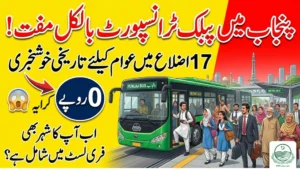
Multan Electric Buses Maryam Nawaz Punjab Chief Minister Maryam Nawaz has introduced a major public transport initiative in Multan by launching a modern electric bus system. This step is being seen as a strong move toward improving urban mobility in one of Punjab’s busiest and historically important cities. For many residents, daily travel has long been a challenge due to overcrowded vans, irregular timings, and lack of comfort. This new system is expected to bring a noticeable change in how people commute within the city.
From a ground-level perspective, this project is not just about adding buses; it is about upgrading the overall travel experience. Electric buses are quieter, smoother, and more reliable compared to traditional diesel vehicles. The government is also focusing on providing a cleaner environment, which is becoming increasingly important as cities continue to grow. Multan, known for its heat and traffic congestion, stands to benefit significantly from this development.
- Focus on modern, clean transport solutions
- Improved comfort and convenience for passengers
- Reliable and structured commuting system
- Step toward reducing urban pollution
First Phase Begins with Initial Bus Fleet
The launch of the first fleet of 10 electric buses marks the beginning of this ambitious project. Although the number may appear limited at first, it represents a carefully planned pilot phase. Authorities want to observe how the system performs on key routes, how passengers respond, and what improvements may be required before expanding the service further. This approach helps ensure long-term success rather than rushing into a large-scale rollout.
In practical terms, even these initial buses can make a difference. Routes that are usually overcrowded will experience some relief, and passengers will get their first real experience of a modern public transport system. Early feedback from commuters will play an important role in shaping future phases of the project, making it more effective and user-friendly.
- 10 electric buses introduced in the first phase
- Pilot testing on important city routes
- Opportunity to gather public feedback
- Gradual improvement based on real experience
Expansion Strategy for Wider City Coverage
The Punjab government has already announced that this is just the starting point. In the next phase, more than 50 additional electric buses will be added to the system. This expansion is essential for ensuring that the benefits of the project reach a larger population across Multan. A limited fleet can only serve selected routes, but a larger network will connect more areas, including residential neighborhoods and commercial centers.
As the number of buses increases, the system will become more reliable and accessible. People living in distant or underserved areas will also gain access to better transport facilities. This will reduce dependence on private vehicles and traditional transport, ultimately improving traffic conditions in the city. The expansion plan shows that the government is committed to building a long-term solution rather than a temporary fix.

| Phase of Project | Number of Buses | Expected Impact on City |
|---|---|---|
| Initial Launch | 10 | Limited route coverage and testing |
| Expansion Phase | 50+ | Wider connectivity and improved accessibility |
- Significant increase in fleet size planned
- Better coverage across urban and suburban areas
- Improved connectivity between key locations
- Long-term plan for full transport network
Shift Towards Environment-Friendly Transportation
One of the strongest aspects of this project is its environmental impact. Electric buses do not produce harmful emissions like traditional diesel vehicles, which means cleaner air for the people of Multan. In recent years, pollution has become a growing concern in many Pakistani cities, and initiatives like this are necessary to address the issue effectively.
From an environmental standpoint, this shift is a step toward sustainable development. Cleaner transport systems not only improve air quality but also contribute to better public health. For a city like Multan, where extreme weather conditions already affect daily life, reducing pollution can make a meaningful difference. This project sets an example for other cities to follow in the future.
- No smoke or harmful emissions
- Reduction in overall air pollution
- Contribution to healthier living conditions
- Support for long-term environmental goals
Improving Daily Travel Experience for Citizens
For the average commuter, the biggest benefit of this project will be the improved travel experience. Traditional public transport in Multan often involves long waiting times, overcrowding, and uncomfortable seating. The new electric buses aim to change this by offering a more organized and comfortable journey.
Passengers can expect better seating arrangements, smoother rides, and more predictable schedules. This is particularly important for students, office workers, and daily wage earners who rely on public transport. A reliable system can save time, reduce stress, and make daily routines more manageable. From a journalist’s observation, such changes may seem small at first but have a deep impact on people’s everyday lives.
- Comfortable and spacious seating
- Smooth and quiet travel experience
- Reduced waiting and travel time
- More disciplined and organized system
Government’s Vision for Urban Mobility Reform
This initiative is part of a broader vision by the Punjab government to modernize urban transport. As cities like Multan continue to grow, the demand for efficient and reliable transport systems is increasing rapidly. The government’s approach focuses on introducing modern solutions that can handle future challenges.
Beyond buses, this vision includes better infrastructure, improved road networks, and smart transport planning. The aim is to create a system that not only meets current needs but also supports future growth. This project reflects a shift in policy toward sustainable and technology-driven solutions, which are essential for long-term urban development.
- Focus on long-term transport solutions
- Investment in modern infrastructure
- Integration of smart urban planning
- Addressing increasing mobility challenges
Economic and Social Impact on Multan
Improved transport systems have a direct impact on economic activity. When people can travel easily and efficiently, they gain better access to jobs, markets, and services. This increases productivity and supports local businesses. In a city like Multan, where many people depend on daily travel for their livelihood, such improvements can bring real economic benefits.
Socially, the impact is equally important. Reduced travel stress, better time management, and safer commuting options all contribute to an improved quality of life. Families benefit when individuals spend less time on the road and more time at home or at work. This project, therefore, is not just about transport—it is about improving overall living standards.

- Better access to employment opportunities
- Increased business and trade activity
- Time-saving for daily commuters
- Improved quality of life for residents
Future Outlook for Public Transport in Punjab
Looking ahead, the success of the Multan electric bus project could lead to similar developments in other cities across Punjab. Urban centers facing similar transport challenges may benefit from this model. The government’s commitment to expanding such initiatives indicates a clear direction toward modernization.
If implemented effectively, this system can become a foundation for a province-wide transport network that is efficient, affordable, and environmentally friendly. For now, all eyes are on Multan, as it takes this important step toward a better and more sustainable future in public transport.