Today Petrol Price In Pakistan Per Litre
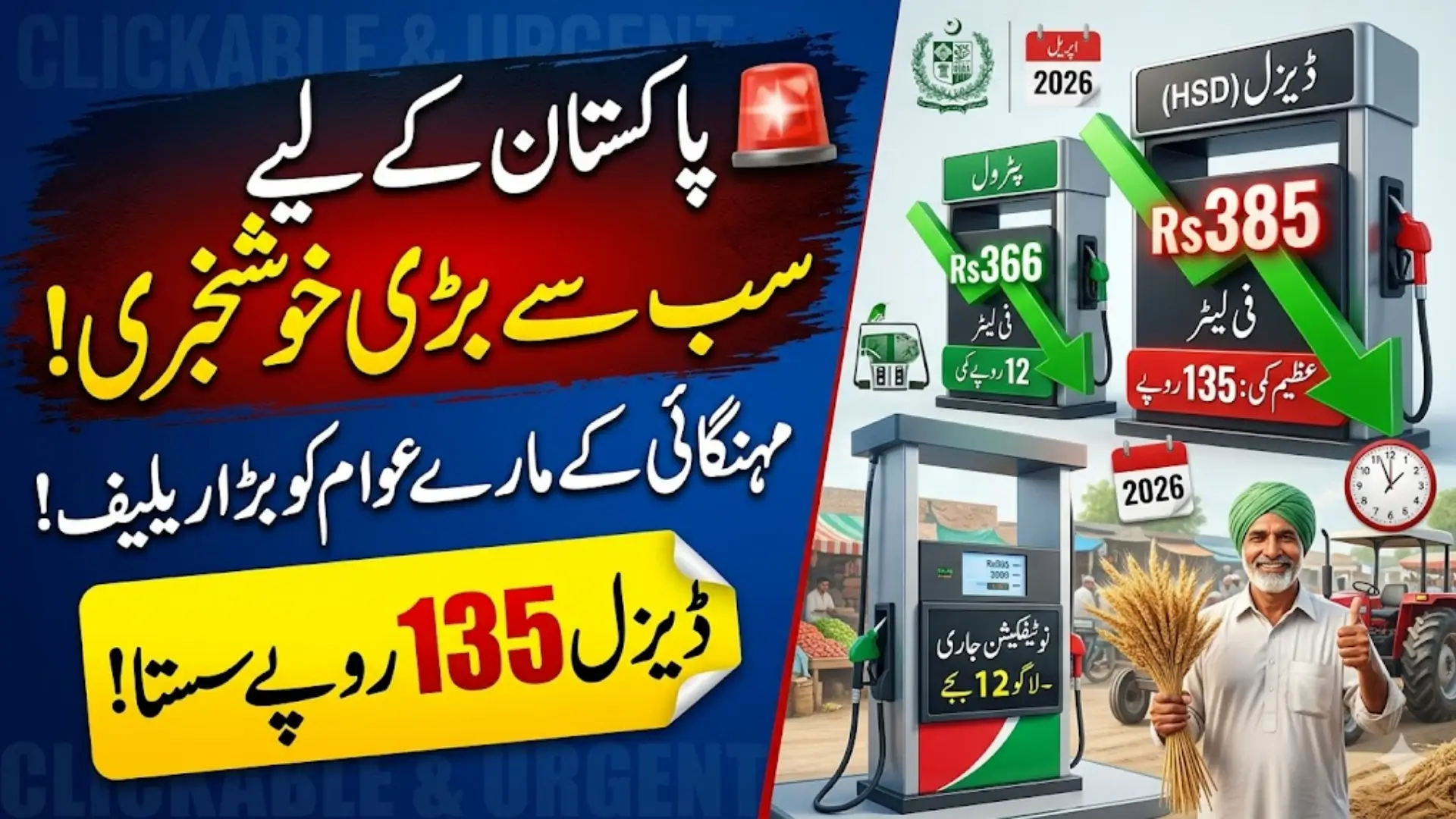
Today Petrol Price In Pakistan Per Litre Government of Pakistan has announced a significant reduction in petrol prices, bringing the new rate down to Rs366 per litre. This decision has come as a relief for millions of citizens who have been facing continuous financial pressure due to rising inflation over the past few months. The revised price has been implemented from 12 AM, providing immediate benefit to consumers across the country.
From a journalist’s perspective, this move reflects a shift in policy direction where the government is trying to directly pass on international price relief to the public. In recent weeks, people had been struggling with increased fuel costs that affected not only transportation but also essential household expenses. Even a small reduction in petrol price has a noticeable impact on the daily budget of a middle-class family.

It is important to understand that petrol prices in Pakistan influence almost every sector of the economy. From motorbike riders to ride-hailing drivers and small shopkeepers, everyone feels the impact. This reduction, although modest compared to diesel, still brings a sense of relief and signals that the government is responding to public concerns.
- Petrol new price in Pakistan: Rs366 per litre
- Total reduction: Rs12 per litre
- Effective time: 12 AM implementation
- Relief for daily commuters and salaried class
- Positive signal for inflation control
High-Speed Diesel (HSD) Price Cut – Major Relief for Transport & Agriculture
The most impactful decision in this announcement is the massive cut in high-speed diesel (HSD) prices. The government has reduced diesel by Rs135 per litre, bringing the new price to Rs385 per litre. This is not just a routine adjustment; it is a major economic relief that will affect multiple sectors at once.

Diesel is considered the backbone of Pakistan’s economy because it powers heavy transport vehicles, agricultural machinery, and industrial operations. When diesel prices rise, the cost of transporting goods increases, which directly pushes up the prices of vegetables, flour, and other daily-use items. Now, with this significant reduction, there is a strong possibility that transportation costs will decrease, eventually stabilizing market prices.
Another critical factor is the timing of this decision. Wheat harvesting season is currently underway in many parts of Pakistan. Farmers rely heavily on diesel-powered machinery such as tractors and harvesters. Lower fuel prices mean reduced operational costs, which can help farmers save money and maintain profitability. This step could also help in controlling food inflation in the coming months.
- HSD new price: Rs385 per litre
- Reduction amount: Rs135 per litre
- Direct benefit to transport sector
- Lower farming and harvesting costs
- Expected reduction in food supply chain expenses
Updated Prices of Kerosene Oil and Light Diesel Oil
In addition to petrol and diesel, the government has also reduced the prices of kerosene oil and light diesel oil. Kerosene is now priced at Rs450.15 per litre, while light diesel oil has been reduced to Rs369.72 per litre. These changes may appear smaller compared to diesel, but they are highly significant for low-income households.
In many rural and underdeveloped areas of Pakistan, kerosene oil is still used for basic needs such as cooking and lighting. A reduction in its price provides direct relief to families who depend on it daily. Similarly, light diesel oil is commonly used in small-scale machinery, tube wells, and rural transport systems, making it an important component of the local economy.
From ground reporting experience, it is clear that such targeted reductions have a real impact on people living in villages and small towns. While urban populations focus more on petrol prices, rural communities benefit greatly from cuts in kerosene and light diesel oil. This balanced approach shows that the government is trying to address the needs of all segments of society.
- Kerosene oil new price: Rs450.15 per litre
- Light diesel oil new price: Rs369.72 per litre
- Relief for rural and low-income households
- Support for small-scale farming and machinery
- Helps reduce basic living costs
Fuel Price Comparison – Before and After Relief
To better understand the impact of this decision, it is useful to compare the previous and current fuel prices. The table below highlights the changes clearly and shows how significant the relief is, especially in diesel.
| Fuel Type | Previous Price (Rs) | New Price (Rs) | Reduction (Rs) |
|---|---|---|---|
| Petrol | 378 | 366 | 12 |
| High-Speed Diesel | 520 | 385 | 135 |
| Kerosene Oil | 467.48 | 450.15 | 17.33 |
| Light Diesel Oil | 395.03 | 369.72 | 25.31 |
This comparison clearly shows that the government has provided the largest relief in diesel prices, which is expected to have the strongest economic impact.
Government’s Relief Strategy After Middle East Crisis
The recent reduction in fuel prices is closely linked to the global situation, particularly the Middle East crisis that caused a sharp increase in oil prices earlier this year. Pakistan, being an oil-importing country, was directly affected by these global changes, leading to a sudden rise in fuel costs and inflation.
Now that international oil prices have shown some stability, the government has taken the opportunity to pass on the benefit to the public. This reflects a proactive approach where economic policies are adjusted according to global market conditions. The Prime Minister also emphasized that the government would continue targeted subsidy programs introduced during the crisis.
From an analytical point of view, this strategy is aimed at balancing economic recovery with public relief. Instead of using the price reduction to recover previous financial losses, the government has chosen to prioritize citizens’ well-being. This decision could help improve public confidence and economic activity.
- Middle East crisis increased global oil prices
- Pakistan faced inflation due to imported fuel costs
- Government adjusted policy with market trends
- Relief passed directly to public
- Subsidy programs to continue
PM Shehbaz Sharif’s Key Announcement and Policy Direction
During his address, the Prime Minister made it clear that providing relief to the people was both a moral and political responsibility. He revealed that he had been advised to retain some financial benefit instead of passing it fully to the public, but he rejected that suggestion without hesitation.
This statement highlights a leadership approach focused on public welfare. The Prime Minister acknowledged the patience shown by citizens during the period of high inflation and rising fuel prices. He emphasized that when people suffer during price increases, they deserve full relief when prices come down.
From a journalistic standpoint, such statements carry weight because they reflect accountability and responsiveness. Whether this approach continues in the long term will depend on global conditions, but for now, it has provided much-needed relief and restored some level of trust among the public.
Subsidy and Fiscal Management Measures by Government
The government’s ability to reduce fuel prices is also linked to its earlier financial decisions. It had already spent around Rs129 billion to cushion the impact of rising fuel prices. Additionally, the petrol levy was reduced by Rs80 per litre, which helped stabilize the market.
These measures show that the government is trying to manage both fiscal discipline and public relief simultaneously. It is not an easy balance to maintain, especially in a country facing economic challenges. However, these steps indicate a structured approach towards economic management.
The continuation of targeted subsidies further strengthens this strategy. It ensures that vulnerable groups continue to receive support even as fuel prices fluctuate in the global market.
- Rs129 billion spent on public relief
- Petrol levy reduced earlier
- Focus on fiscal discipline
- Balanced economic strategy
- Continued support for vulnerable groups
Impact of Fuel Price Reduction on Daily Life
The reduction in fuel prices will have a wide-ranging impact on daily life in Pakistan. Transportation costs are expected to decrease, which may lead to lower fares for buses, rickshaws, and ride-hailing services. This is especially important for daily wage earners and office workers.
Another major impact will be seen in food prices. Since transportation is a key factor in the supply chain, lower fuel costs can help stabilize prices of vegetables, fruits, and other essential items. This could provide relief to households struggling with grocery expenses.
Small businesses will also benefit from reduced operational costs. Shopkeepers, delivery services, and manufacturers may find it easier to manage expenses, which could improve overall economic activity. While the full impact will take time to appear, the initial signs are positive.
- Lower transport fares expected
- Stabilization of food prices
- Relief for small businesses
- Improved market activity
- Positive impact on inflation
Role of Pakistan in Promoting Peace and Economic Stability
The Prime Minister also highlighted Pakistan’s diplomatic role in promoting peace during global tensions. He mentioned efforts to encourage dialogue between conflicting parties, which ultimately contributes to global stability and impacts oil prices.
Peace in the Middle East is directly linked to oil supply and pricing. When tensions rise, oil prices increase, affecting countries like Pakistan. By supporting peace initiatives, Pakistan is not only contributing diplomatically but also protecting its own economic interests.
This connection between foreign policy and economic stability is often overlooked, but it plays a crucial role in shaping fuel prices and overall economic conditions in the country.
What This Means for Pakistani Citizens Going Forward
For the people of Pakistan, this price reduction brings a sense of relief and hope. It shows that the government is actively monitoring global trends and is willing to take steps in favor of the public when possible.
However, fuel prices are still dependent on international markets, and future changes cannot be ruled out. Citizens should remain cautious in their financial planning while benefiting from the current relief.
Overall, this development is a positive step towards economic stability. If global conditions remain favorable and government policies continue in this direction, more relief measures may follow in the coming months.





Conclusion
The reduction in petrol and diesel prices in April 2026 is a significant step by the government to ease the financial burden on citizens. With petrol now at Rs366 per litre and diesel seeing a major cut, the impact will be felt across all sectors of the economy.
This decision reflects a commitment to public welfare and economic stability. While challenges remain, this move has provided immediate relief and created a more positive outlook for the future.